Understanding Stubborn Car Seat Stains
It’s a frustrating moment: you look at your car seats and there it is, a deep, set-in stain that seems to have become a permanent part of the fabric. Whether it’s an old coffee spill, a rogue crayon mark from a child, or a wine mishap from months ago, these “permanent” stains can feel impossible to get rid of. The truth is, many stains that look permanent aren’t entirely beyond hope. Often, what makes them so tough is that the staining material has bonded deeply with the fabric fibers or has simply dried and solidified within the weave. Understanding what makes these stains so difficult to remove is the first step in tackling them effectively.
Some stains, especially old dye, marker, or fully set wine, can chemically bond to the fabric. This bonding is what makes them appear “permanent.” Imagine dye soaking into a white shirt; it changes the color of the fibers themselves. When this happens on your car seat, even professional cleaning might only lighten the stain rather than erase it completely. However, many other stubborn stains are simply deeply embedded dirt, grease, or residue that needs a more powerful approach than a quick wipe. These are the kinds of stains that wet vac extraction and steam cleaning are designed to tackle. They don’t magically reverse chemical bonds, but they are very good at breaking down and removing physical contaminants.
Why Traditional Cleaning Struggles with Deep Stains
Most household cleaning methods, like wiping with a cloth and a general cleaner, only address the surface of a stain. When a liquid spills, it doesn’t just sit on top; it soaks down into the fibers, sometimes even reaching the foam padding underneath. As it dries, the staining material gets trapped within the fabric’s weave. Surface cleaning might remove some of the visible residue, but it leaves the bulk of the stain deep within the material. This is why a stain can seem to “reappear” even after you’ve cleaned it – you’ve only removed the top layer, and the deeper material is still there.
Furthermore, some stains, particularly those with a greasy or sticky component, resist simple wiping. Water alone might spread them, and common cleaners may not have the chemical power to break down the specific type of bond holding the stain to the fabric. This is where specialized tools and techniques come into play, specifically those that can penetrate deeply, break up the stain, and then effectively remove it from the material.
For those looking to maintain the pristine condition of their vehicle’s interior, understanding the methods of stain removal is crucial. In addition to exploring how wet vac extraction and steam cleaning effectively tackle permanent car seat stains, you may find it beneficial to read about automotive scratch removal techniques. This related article provides insights into the best practices for keeping your car’s exterior looking flawless. To learn more, visit automotive scratch removal.
The Role of Wet Vac Extraction in Stain Removal
Wet vacuum extraction, often just called wet extraction, is a powerful and highly effective method for deep cleaning car seat fabrics. Its core principle is simple: it sprays a cleaning solution or plain water deep into the fabric and then immediately sucks it back out, along with the loosened dirt and grime. This isn’t just a surface wipe; it’s a thorough flushing and removal process that reaches deep into the fibers where stains often hide. Because of its ability to physically remove loosened material and moisture, it’s particularly favored for deep-set or heavy stains that regular cleaning methods can’t touch.
The process typically involves a machine that has two tanks: one for clean water and cleaning solution, and another for collecting the dirty water. A nozzle sprays the solution directly onto the fabric, often with some pressure, helping to penetrate and agitate the stain. Almost immediately after, a powerful vacuum suction head follows, pulling the liquid, dissolved dirt, and stain particles out of the fabric and into the dirty water tank. This “spray and suck” action is crucial because it ensures that the loosened stain is actually removed from the seat, rather than just being pushed around or left to dry back into the fabric.
How Extraction Physically Removes Stains
The physical removal aspect of wet vac extraction is what truly sets it apart for stubborn stains. When you spill something like coffee or soda, the liquid dries, leaving behind solid residues that are embedded in the fabric. A cleaning solution, when sprayed with some force, helps to re-liquefy these dried residues and break their bond with the fibers. The suction then literally pulls these dissolved or suspended particles out of the material. This is different from simply dissolving a stain in place, which can sometimes leave a faint shadow or residue once the fabric dries. With extraction, you’re actively pulling the staining agent out of the seat.
For permanent-looking stains that have been there for a long time, the extraction process helps to break down the hardened layers of grime and old residue. While it might not reverse a chemical dye bond, it will effectively remove any layers of dirt, grease, or other non-chemically bonded material that are contributing to the stain’s appearance. The continuous flushing action also helps to rinse away any cleaning solution residue, preventing new stains from forming due to sticky soap left in the fabric. This thorough rinsing capability is a key advantage, ensuring that the seats are not just clean but also free of chemical build-up.
Drying Times After Extraction
One common concern with wet cleaning methods is the drying time. However, modern wet extractors are designed to be highly efficient at removing moisture. While steam alone might dry faster, wet extraction is superior for actual stain removal. Sources suggest that extractor-based shampooing usually leaves seats dry in about 2–6 hours. For very efficient processes and favorable conditions, some well-extracted seats may even dry in as little as 30 minutes to 1 hour. This quick drying time is crucial for preventing mold or mildew growth, which can occur if moisture is left in the fabric for too long.
Factors influencing drying time include the efficiency of the extractor, the amount of solution used, the humidity in the air, and whether the car’s ventilation or heating system is used to assist. Opening windows or doors slightly can also significantly speed up the drying process. The goal is always to remove as much moisture as possible during the extraction phase to minimize the time it takes for the seats to be completely dry and ready for use. This balance of deep cleaning and efficient moisture removal makes wet extraction a practical choice for refreshing car interiors.
The Specific Benefits of Steam Cleaning
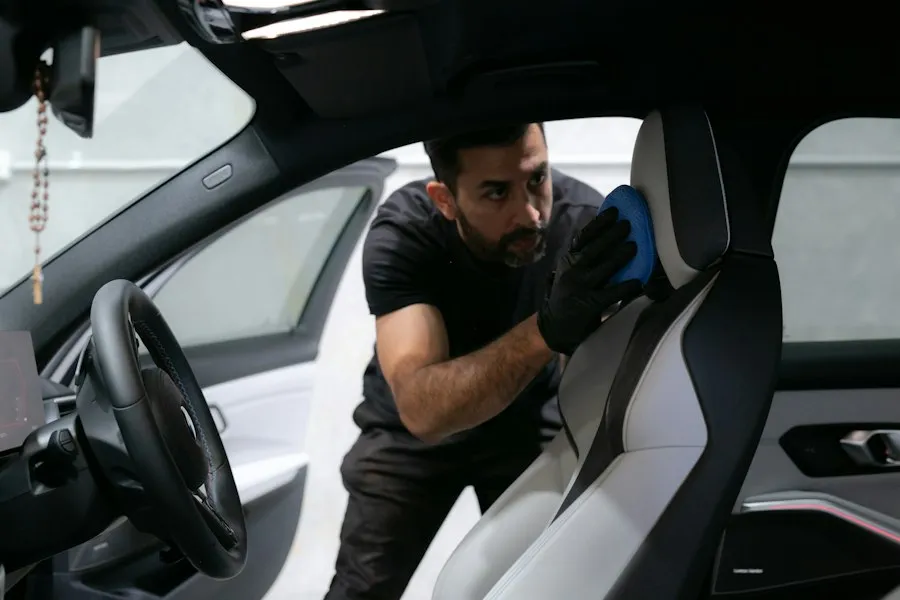
Steam cleaning brings a different set of advantages to the table for car seat maintenance, especially when dealing with tough stains. Unlike wet extraction, which relies on spraying and sucking liquid, steam cleaning uses high-temperature vapor. This superheated water vapor doesn’t just clean; it sanitizes and helps to loosen various types of grime. It’s important to understand that steam cleaning by itself does not pull out embedded dirt. Its strength lies in its ability to prepare the surface and the stain for subsequent removal. Several sources say that steam works best as a preparatory step before extraction.
The high heat of the steam is incredibly effective at breaking down molecular bonds in dirt, grease, and sticky residues. Imagine how a hot sponge cuts through dried-on food much better than a cold one. Steam works similarly, melting sticky substances like candy or gum, softening dried-on spills, and emulsifying greasy films. This makes the staining material much easier to wipe away or, more effectively, extract. Beyond loosening stains, steam is also a powerful sanitizer. The high temperature kills bacteria, viruses, and other microorganisms, eliminating odors and creating a healthier environment inside the car. This sanitizing aspect is a significant benefit, especially for seats that have seen a lot of use or have had biological spills.
How Steam Prepares Stubborn Stains
For a truly “permanent-looking” stain, steam’s ability to loosen and break up the material is invaluable. If you have an old, dried-on spill of soda or coffee, the sugars and other components will have crystallized and bonded tightly with the fabric fibers. Applying steam to this area introduces intense heat and moisture, which helps to re-liquefy these hardened deposits. The heat causes the fibers to relax slightly, allowing the condensed steam to penetrate deeper into the stain’s structure. This process effectively “reactivates” the stain, making it more soluble and easier for a cleaning solution to work on.
Think of it like pre-soaking a dirty dish. The steam acts as a powerful pre-soak, reducing the adhesion of the stain to the fabric. It can also help to bring deeply embedded dirt closer to the surface, making it accessible for removal. For marks like old marker or crayon, the heat can soften the waxy or pigment-based components, making them easier to lift. While steam won’t chemically un-bond a dye stain, it can certainly help remove the layers of dirt and other contaminants that are contributing to its dark appearance, thereby lightening the overall look of the “permanent” mark.
Limitations of Steam Alone for Heavy Stains
While steam is excellent for loosening grime and sanitizing, it’s crucial to reiterate its main limitation for heavy, permanent-looking stains: it does not by itself pull out embedded dirt. When you steam a heavily soiled area, the steam turns dirt into a muddy liquid. If this liquid isn’t then removed, it can simply settle back into the fabric as it dries, potentially leaving a water mark or even making the stain appear worse. This is why for actual stain removal, especially deep or heavy contamination, steam is often seen as a beneficial first step, but not the complete solution on its own.
For light soiling or simple sanitizing, a quick pass with a steam cleaner might be sufficient. However, for genuinely tough, deep-seated stains, the loosened material needs to be physically removed. This is where the synergy with wet vac extraction becomes apparent. Steam softens, breaks down, and mobilizes the stain, and the wet vac then efficiently lifts it away, preventing it from redepositing. Without the extraction step, much of the effort put into steaming a permanent-looking stain could be wasted, as the dissolved grime would remain within the seat fabric.
The Steam-Plus-Extraction Combo Approach
For the most effective attack on stubborn car seat stains, the combined power of steam cleaning followed by wet vac extraction is often the recommended approach. This “steam-plus-extraction combo” leverages the unique strengths of each method to deliver a comprehensive and deep clean. The philosophy is simple: use steam to break the stain up, and then use wet vac extraction to remove the loosened material and moisture. This two-stage process addresses both the chemical and physical challenges posed by deeply set or heavily contaminated stains.
The process usually begins with thoroughly steaming the stained area. The high heat and moisture from the steam penetrate deep into the fabric, working to dissolve and emulsify the hardened stain components. This effectively “wakes up” the stain, softening residues and bringing embedded dirt to the surface. Once the stain has been sufficiently agitated and loosened by the steam, the wet vac extractor comes into play. The extractor then sprays a cleaning solution (often a dedicated fabric shampoo) into the steamed area, which further helps to lift the now-softened stain. Immediately after, the powerful suction of the wet vac pulls out the dirty solution, along with the loosened stain particles, excess moisture, and any lingering residues. This ensures that the stain is not just moved around, but actively removed from the fabric.
Synergistic Benefits for Deep Stains
The synergy between steam and extraction is particularly powerful for tackling those “permanent-looking” stains. The steam’s ability to loosen grime, melt sticky residue, and sanitize the surface creates an optimal environment for the extractor to do its work. Without the steam, the extractor might struggle to break down very old, hard-set stains. Without the extractor, the steam would merely mobilize the stain without removing it, potentially leading to redeposition. Together, they form a highly effective system.
This combined approach also offers superior sanitization. While steam alone sanitizes, the extraction step ensures that any bio-contaminants broken down by the steam are physically removed from the fabric, rather than left to dry back in. This leads to a cleaner, healthier, and better-smelling interior. Furthermore, the thorough rinsing provided by the extractor after the steam treatment helps to prevent the formation of water rings or residue buildup that can sometimes occur if either method is used improperly or without a follow-up. This comprehensive approach is why many professionals consider the steam-plus-extraction combo the most effective current method for truly stubborn car-seat stains.
If you’re interested in learning more about maintaining your vehicle’s interior, you might find this article on automotive machine polishing quite insightful. Proper cleaning techniques, such as wet vac extraction and steam cleaning, can significantly enhance the appearance of your car’s upholstery, but combining these methods with professional polishing can elevate your vehicle’s overall aesthetic. For more details, check out this related article that explores how polishing can complement your cleaning efforts.
Practical Considerations and Best Practices
| Cleaning Method | Effectiveness on Permanent Stains | Cleaning Process | Time Required | Impact on Car Seat Material | Typical Results |
|---|---|---|---|---|---|
| Wet Vac Extraction | High for surface and some deep stains | Injects cleaning solution, agitates, then extracts dirt and moisture | 30-60 minutes per seat | Safe for most fabrics; may cause slight dampness | Removes dirt, grime, and some permanent stains; reduces odor |
| Steam Cleaning | Moderate to High, especially for organic stains | Uses high-temperature steam to loosen and dissolve stains | 20-40 minutes per seat | Gentle on fabric; sanitizes and kills bacteria | Effectively lifts stains and kills germs; may not remove all permanent stains |
| Combined Use | Very High | Steam loosens stains, wet vac extracts loosened dirt and moisture | 45-90 minutes per seat | Safe and thorough cleaning; minimal fabric wear | Significant stain removal including some permanent stains; refreshed appearance |
While wet vac extraction and steam cleaning are powerful tools, achieving the best results for permanent-looking car seat stains also depends on a few practical considerations and best practices. It’s not just about having the right equipment; it’s also about knowing how to use it effectively and what to expect from the cleaning process. Proper preparation, understanding fabric types, and managing expectations are all key components of successful stain removal.
First, always pre-test any cleaning solutions on an inconspicuous area of the seat. This is crucial to ensure that the solution won’t cause discoloration or damage to the fabric. Different car manufacturers use a variety of fabric types, and some can be more sensitive than others. For cloth/fabric seats, multiple sources still recommend wet-vac extraction as the preferred deep-clean method, while steam is more useful for light soiling or sanitizing rather than heavy contamination, unless used as part of the combo approach.
Pre-Treatment and Spot Cleaning
Before diving into a full steam and extraction process, some permanent-looking stains can benefit greatly from targeted pre-treatment. This might involve applying a specialized stain remover directly to the spot. These pre-treatment solutions are formulated to break down specific types of stains, such as grease, protein, or dye-based marks. Allowing the pre-treatment to dwell for a recommended period gives it time to work on the stain before the steam and extraction process begins. This extra step can significantly improve the chances of lightening or removing a deeply embedded mark.
For solid debris or highly concentrated spots, gently scraping away any loose material beforehand can also be helpful. This prevents the steam or cleaning solution from simply spreading the solid particles further into the fabric. Blotting rather than rubbing a fresh spill is always recommended to prevent pushing the stain deeper. Even for old stains, a careful initial physical removal of any surface crust or dried residue can make the subsequent steps more effective.
Managing Expectations for “Permanent” Stains
It’s important to set realistic expectations, especially for stains that have been there for a very long time or are described as “permanent-looking.” For permanent-looking stains such as old dye, marker, or fully set wine stains, professional cleaning may only lighten them rather than fully remove them, because the stain can chemically bond to fibers. This means that while significant improvement is often possible, a complete disappearance might not always be achievable. The goal is often to make the stain as inconspicuous as possible, blending it into the surrounding fabric.
Understanding this limitation helps to avoid disappointment. Even if a stain isn’t entirely gone, making it much less noticeable can dramatically improve the appearance of your car’s interior. The sanitizing and odor-removing benefits of the steam-plus-extraction process are also valuable, contributing to a fresher, cleaner environment even if a ghost of an old stain remains. Communicating these expectations openly, whether you’re performing the cleaning yourself or hiring a professional, ensures that the outcome is viewed realistically and positively.