Understanding Paint Correction
Many luxury car owners dream of that “showroom shine” – a finish so deep and clear you can almost dive into it. But over time, even the most carefully maintained vehicles develop subtle imperfections. Things like fine scratches, swirl marks from automatic car washes, oxidation from the sun, and water spots can dull the paint’s natural luster. This is where paint correction comes in. It’s much more than just a quick wash and wax. It’s a meticulous process designed to literally correct these defects by carefully removing a microscopic layer of the clear coat, revealing the fresh, glossy paint underneath. Think of it like sanding a fine piece of wood to remove scratches before applying a new varnish; the principle is similar, but with automotive paint, the process is far more delicate and precise.
For luxury cars, this level of detail is especially important. These vehicles are often seen as investments or symbols of status, and their appearance is paramount. A dull, scratched finish can significantly detract from their aesthetic appeal and even its perceived value. Paint correction aims to bring that paint back to its original, or often even better-than-original, condition. The goal is a mirror-clear finish, free from optical imperfections that scatter light and make the paint look hazy or dull. This isn’t just about making the car look good from a distance; it’s about achieving a flawless finish that shines brilliantly even under direct sunlight, reflecting its surroundings with crisp clarity. It’s a key service marketed to restore that elusive “showroom finish” that enthusiasts and collectors crave.
Why Defects Appear on Luxury Car Paint
Even with the best factory paint jobs, a car’s finish is constantly under attack from its environment. Swirl marks are perhaps the most common culprits, often caused by improper washing techniques. Using dirty sponges, stiff brushes, or automatic car washes that use harsh bristles can drag abrasive particles across the paint, leaving behind circular scratches that are most visible in direct sunlight. These aren’t deep gouges, but rather countless tiny scratches that collectively scatter light, making the paint look dull and hazy instead of reflecting light cleanly.
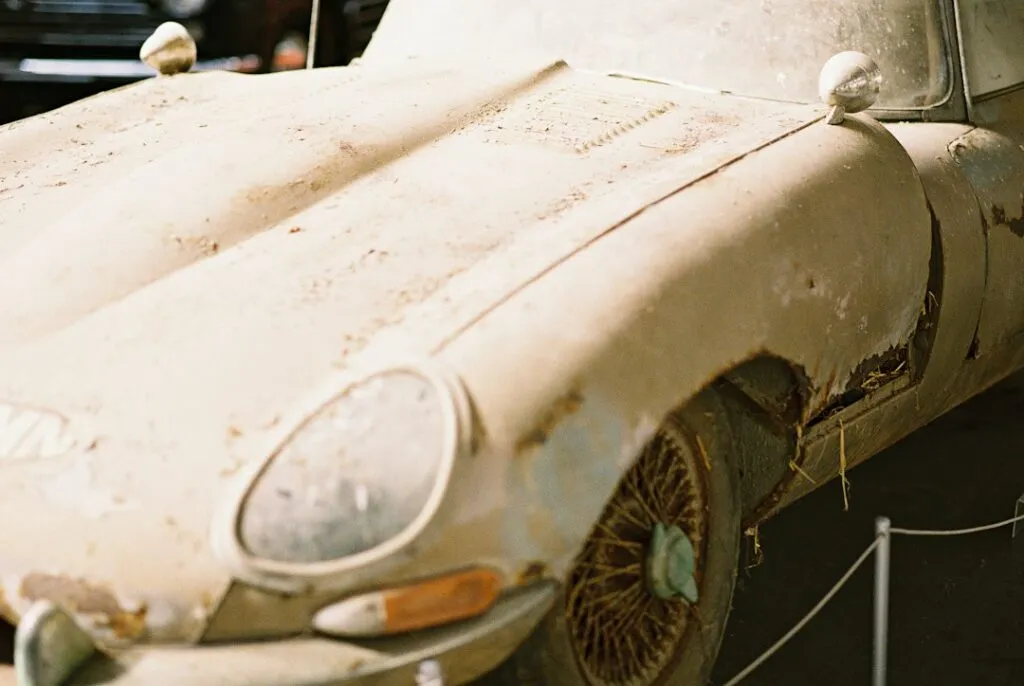
Beyond swirls, everyday driving exposes a car to a myriad of other damaging elements. Road grime, industrial fallout, tree sap, bird droppings, and even hard water can etch into the clear coat if not removed promptly. Over time, UV radiation from the sun can cause the clear coat to oxidize, leading to a hazy, faded appearance, especially on older vehicles or those frequently parked outdoors. Chemical etching from acidic rain or harsh cleaning products can also mar the surface. These cumulative defects build up over months and years, progressively diminishing the paint’s depth, clarity, and overall shine, which is particularly noticeable on dark-colored luxury cars.
The Clear Coat: A Protective Barrier
Understanding the clear coat is fundamental to understanding paint correction. The paint system on modern cars typically consists of several layers: a primer that adheres to the metal, a base coat that provides the color, and finally, a transparent top layer called the clear coat. This clear coat is essentially a thick, durable layer of paint without pigment. Its primary job is to protect the color coat beneath from environmental damage, UV radiation, and minor abrasions. It’s also what gives the paint its gloss and depth.
When we talk about removing scratches and swirls through paint correction, we are specifically working on this clear coat layer. The defects we see are almost always contained within the clear coat, not the color coat itself. The beauty of the clear coat is that it can be polished down slightly to level out these imperfections. By carefully abrading the surface with specialized compounds and pads, the peaks and valleys of a scratch or swirl are gradually smoothed out, making the defect disappear. However, it’s crucial to remember that the clear coat has a finite thickness. Detailers and product makers emphasize safe clear-coat removal, meaning controlled machine polishing removes only a microscopic layer. Over-polishing can thin the clear coat too much, potentially exposing the color coat or weakening its protective capabilities, which is why expertise is so important.
For those interested in the transformative effects of machine polishing and paint correction on luxury cars, a related article that delves into the benefits of regular car valeting can be found at this link. It highlights how maintaining a vehicle’s appearance not only enhances its aesthetic appeal but also contributes to preserving its value over time.
The Science of Multi-Stage Machine Polishing
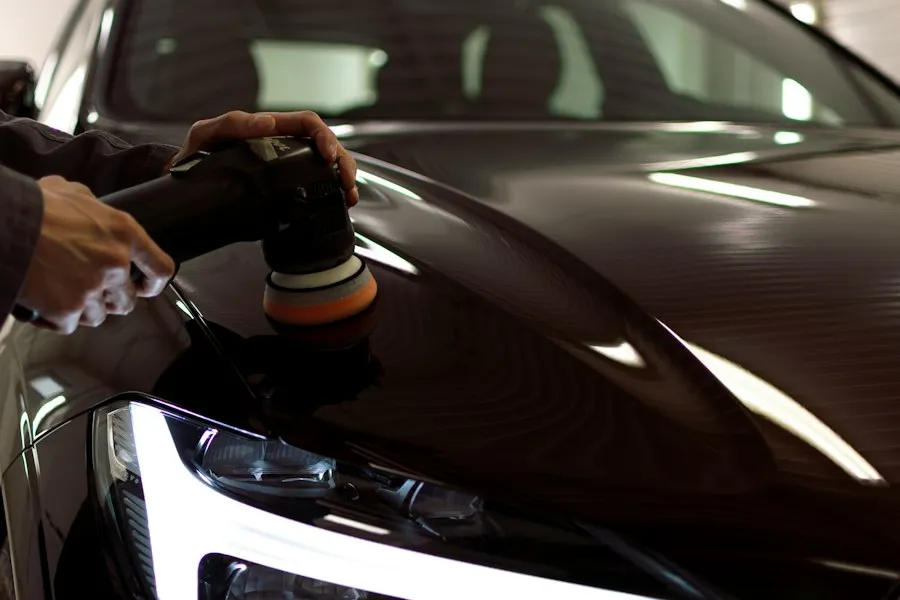
Multi-stage machine polishing is the heart of paint correction. It’s a systematic approach, using a series of increasingly finer abrasive compounds and pads to progressively refine the paint surface. It’s not about just rubbing harder; it’s about using the right combination of abrasive action to remove defects without introducing new ones, ultimately leading to a flawless, mirror-like finish. This process is far more effective and consistent than hand polishing, as the machine ensures even pressure and consistent rotation, allowing for precise defect removal. New paint-correction compounds and pads from major car-care brands like Autoglym, along with innovative one-step compound-polish blends like InSynchro, promise professional-level results with fewer passes, making the process more efficient while still delivering high-gloss restoration. These advancements are crucial in meeting the rising consumer demand for professional-grade “showroom shine” restoration in premium and luxury cars.
The Initial Assessment and Preparation
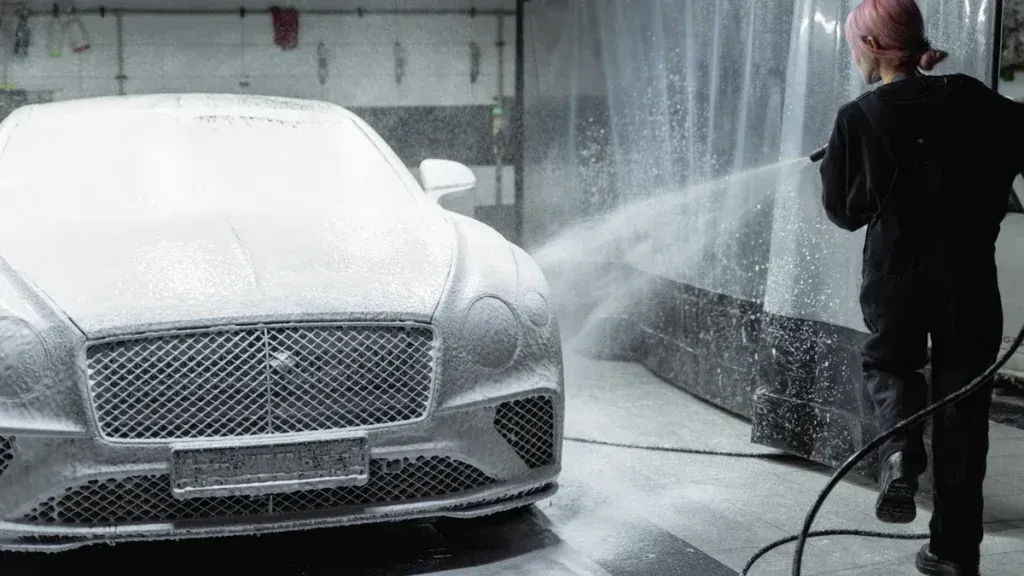
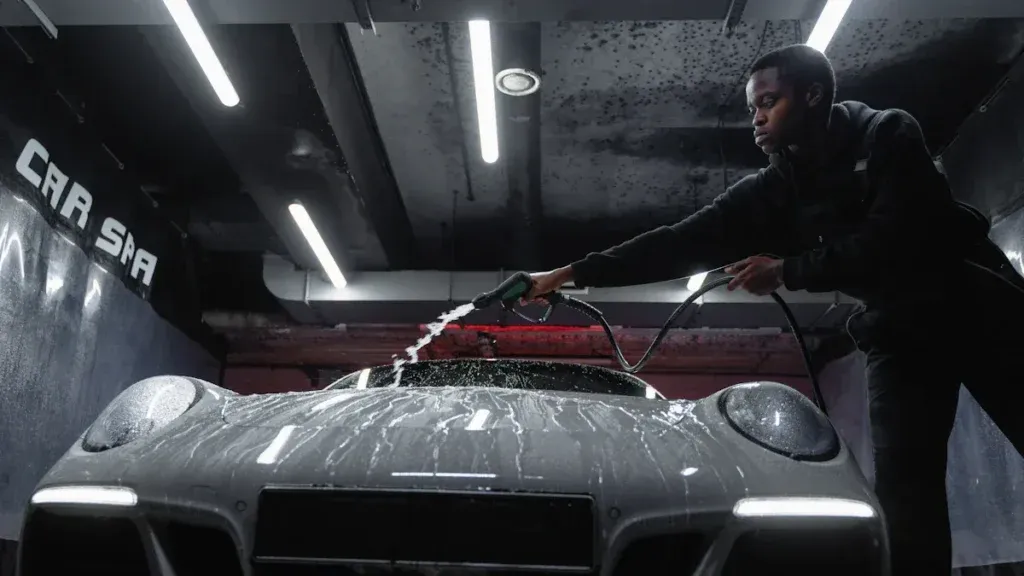
Before any polishing begins, a thorough assessment and preparation are essential. First, the car is meticulously washed to remove all loose dirt and grime. This is usually followed by a chemical decontamination step to dissolve embedded iron particles (like brake dust) and a clay bar treatment to physically pull out bonded contaminants such as tree sap, tar, and industrial fallout from the clear coat. These contaminants, if not removed, would act as abrasives during the polishing process, potentially causing more damage.
After decontamination, the paint is inspected under special bright, focused lights (often LED or halogen) that reveal even the finest imperfections – the swirl marks, holograms, and scratches that are often invisible under normal lighting. This critical inspection helps the detailer determine the extent of the damage, the hardness of the clear coat (which varies between manufacturers and models), and thus, the specific compounds and pads needed for correction. Measuring the paint thickness with a paint depth gauge is also common practice, particularly on luxury cars, to understand how much clear coat is available for correction, ensuring the process is safe and controlled.
The Cutting Stage: Removing Deeper Defects
The first stage in multi-stage polishing is typically the “cutting” or “compounding” stage. This is where the more aggressive work happens. The detailer uses a rotary or random-orbital polisher combined with a more aggressive cutting compound and a corresponding cutting pad (often foam or wool). The cutting compound contains larger, more abrasive particles designed to efficiently level out deeper scratches, oxidation, and heavy swirl marks. The goal here is efficient defect removal, but it’s a careful balance. The chosen combination must be aggressive enough to remove the defects without creating excessive marring or hazing that would then require more extensive subsequent steps to remove.
The choice of polisher is also crucial. Tool manufacturers are introducing more powerful, battery-powered random-orbital polishers, often paired with specialized wool or foam pads. These tools deliver heavy correction capabilities, previously only achievable with corded tools, making the process more versatile and efficient for detailers aiming for “showroom shine” results. The technique involves working in small sections, applying consistent pressure, and monitoring the paint’s temperature to prevent overheating. The residue is then wiped off, and the area is inspected to ensure defects have been sufficiently removed before moving to the next stage.
The Polishing Stage: Refining the Finish
Once the major defects are removed during the cutting stage, the paint will likely have some hazing or faint micro-marring left by the aggressive compound. This is where the “polishing” or “refining” stage comes in. The detailer switches to a finer abrasive polish and a less aggressive polishing pad (typically a softer foam pad). The goal of this stage is to remove the marks left by the cutting stage, refine the surface to a high gloss, and enhance clarity.
This step uses compounds with smaller abrasive particles that work to smooth the clear coat at a microscopic level. It progressively removes the cloudiness or faint swirl marks (often called “holograms”) that can be introduced by the heavier cutting compounds. The result is a much clearer, deeper reflection. Depending on the paint’s condition and the desired level of finish, a detailer might use one or two polishing steps, moving from a medium polish to a very fine, ultra-finishing polish. Each step builds upon the last, progressively revealing more depth and clarity in the paint.
The Finishing Stage: Achieving Showroom Clarity
The final stage of paint correction is often called the “finishing” or “jeweling” stage. This is where the paint is brought to its ultimate level of perfection – the true “showroom shine.” For this step, an ultra-fine finishing polish or glaze is used with a very soft, non-abrasive finishing pad. The abrasives in these products are extremely small, designed to remove any remaining microscopic imperfections, maximize gloss, and create an incredibly smooth, reflective surface.
This stage is about achieving absolute clarity and depth in the paint. When done correctly, the reflections in the paint will be sharp, undistorted, and virtually mirror-like. Light will reflect off the surface uniformly, creating that coveted wet, deep look. This meticulous final step is what truly sets a professional paint correction apart, transforming the car’s appearance to a level that often surpasses its original factory finish. Many luxury-focused studios now pair this corrected finish with a ceramic coating, advertising that once the paint is perfected, long-lasting coatings and proper maintenance will preserve that high-gloss, “just detailed” look year-round.
Tools and Products Making a Difference
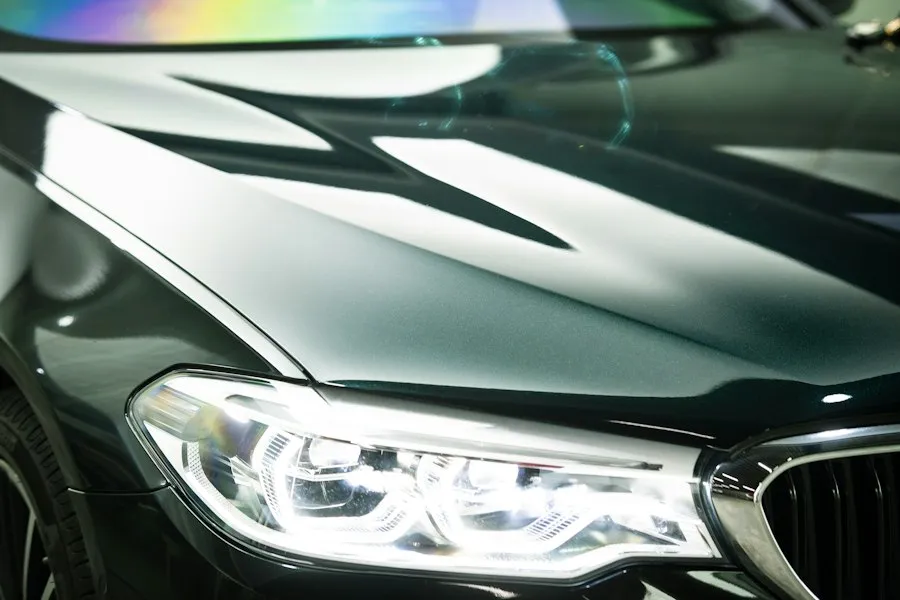
The effectiveness of paint correction relies heavily on the quality and specificity of the tools and products used. The detailing market is constantly evolving, with manufacturers introducing innovative solutions that make it easier for professionals and even enthusiasts to achieve higher levels of paint perfection. The growth in the polishers and detailing market, driven by consumer interest in “showroom shine” restoration, fuels this innovation.
Advanced Compounds and Polishes
The liquid abrasives, known as compounds and polishes, are arguably the most crucial components. Modern formulations have come a long way. They often use diminishing abrasives, meaning the abrasive particles break down into smaller pieces as they are worked, providing both cutting power and a refining action in a single step. Major car-care brands like Autoglym have released advanced paint restorer compounds, specifically designed to remove haze, swirls, and light scratches while restoring high gloss.
Beyond traditional multi-step systems, there’s a growing trend towards advanced one-step compound-polish blends, such as InSynchro. These products are formulated to offer significant defect removal while simultaneously creating a high-gloss finish, reducing the number of passes and steps required. This efficiency is particularly valuable in a professional setting where time is money, without compromising the ultimate “showroom shine” result. These new chemistries are designed to work effectively on modern clear coats, which can vary in hardness and composition.
Innovative Pads: Foam, Microfiber, and Wool
Just as important as the compounds are the pads that apply them. Pads come in various materials, densities, and textures, each designed for a specific purpose. Foam pads are the most common, ranging from aggressive cutting pads (dense, open-cell foam) to soft finishing pads (very fine, closed-cell foam). The color of the pad usually indicates its aggressiveness.
More recently, microfiber cutting pads have gained popularity. These pads use thousands of tiny microfiber strands to provide an aggressive cut, often outperforming traditional foam cutting pads, especially on harder clear coats. They are excellent for heavy defect removal. Wool pads, typically twisted or knitted, are also used for very aggressive cutting, particularly on severely oxidized or deeply scratched paint. For finishing, ultra-soft foam or even specialized “jeweling” pads are used to ensure no marring is introduced during the final stages. The combination of the right compound with the right pad is critical for achieving optimal results while minimizing heat buildup and potential damage to the clear coat.
Next-Generation Polishing Machines
The evolution of polishing machines has significantly improved the efficiency and safety of paint correction. Rotary polishers (also known as circular polishers) are powerful tools that spin in a single circular motion. They offer maximum cutting power and are essential for heavy defect removal but require significant skill to prevent holograms (distinct circular patterns) or paint burn-through due to concentrated heat.
Random-orbital polishers (also known as dual-action or DA polishers) are now the workhorses of most detailing operations. They not only spin but also oscillate in an unpredictable pattern. This random movement drastically reduces the risk of holograms and paint damage, making them safer for less experienced users while still offering excellent cutting and finishing capabilities. Tool manufacturers are introducing more powerful, battery-powered random-orbital polishers that deliver performance comparable to their corded counterparts. These cordless tools offer unparalleled mobility and convenience, allowing detailers to work freely around a vehicle without the hassle of managing cords, further aiding in achieving professional-level “showroom shine” results. These advancements cater directly to the growing demand for efficient and effective paint correction services for luxury vehicles.
The Importance of Clear Coat Safety
While paint correction can yield incredible results, it’s a process that requires a deep understanding of paint systems and meticulous technique. The clear coat, though durable, has a finite thickness, and removing too much can lead to irreversible damage. This principle of safe clear-coat removal is paramount in professional detailing. The goal is always to remove the minimum amount of clear coat necessary to level the defects and restore the desired finish.
Over-polishing can have serious consequences. A thinned clear coat offers less protection against UV rays and environmental contaminants, potentially leading to premature fading, clear coat failure (peeling or flaking), or damage to the color coat beneath. Once the clear coat is compromised to that extent, the only solution is often a costly repaint. This is why experienced detailers use paint thickness gauges to monitor the clear coat levels before and during the correction process, especially on older vehicles or those with unknown paint histories. They understand that while a “showroom shine” is the objective, preserving the long-term integrity of the paint is equally important.
When to Seek Professional Correction
Given the delicate nature of paint correction, knowing when to trust a professional is key, especially for luxury vehicles. If your car has widespread swirl marks, moderate to deep scratches, significant oxidation, or etching from environmental contaminants, a professional detailer specializing in paint correction is usually the best choice. They possess the knowledge, specialized tools, and experience to safely and effectively remove these defects.
Professionals can accurately assess the paint’s condition and clear coat thickness, choose the appropriate compounds and pads for your specific vehicle’s paint hardness, and execute the multi-stage polishing process with precision. They also have access to high-intensity lighting that reveals defects invisible to the untrained eye, ensuring no imperfection is overlooked. Attempting aggressive paint correction without proper training and equipment can easily lead to more damage than good, making a professional service a worthwhile investment for preserving the value and appearance of a luxury car.
Maintaining the Corrected Finish
Achieving a perfectly corrected “showroom shine” is only half the battle; maintaining it requires ongoing effort and proper techniques. The goal is to prevent the reintroduction of new swirls and scratches that necessitated the correction in the first place. This starts with correct washing methods. Using the two-bucket method (one for wash solution, one for rinsing the mitt), high-quality microfiber wash mitts, and pH-neutral shampoos are essential. Air drying with a blower or gently patting dry with plush microfiber towels further minimizes contact that could cause marring.
Many luxury-focused studios now recommend pairing paint correction with a ceramic coating. Once the paint is corrected to a showroom finish, a long-lasting ceramic coating provides an additional sacrificial layer of protection. These coatings offer enhanced scratch resistance, UV protection, and hydrophobic properties, making the car easier to clean and helping to maintain that high-gloss, “just detailed” look year-round. Regular maintenance with high-lubricity detail sprays and proper microfiber use between washes also helps to keep the finish pristine and protected.
In the world of luxury car maintenance, achieving that coveted “showroom shine” often relies on techniques like machine polishing and paint correction. For those interested in learning more about the importance of maintaining a pristine exterior, a related article discusses the best methods for automotive scratch removal, which can significantly enhance the appearance of your vehicle. You can read more about these essential services in this informative piece on automotive scratch removal. By understanding these processes, car enthusiasts can ensure their vehicles always look their best.
Long-Term Benefits and Market Trends
| Metric | Before Polishing | After Polishing | Improvement | Notes |
|---|---|---|---|---|
| Gloss Level (GU) | 40-50 GU | 90-110 GU | +80-60 GU | Gloss meter readings indicate surface shine |
| Surface Swirl Marks | Moderate to Heavy | Minimal to None | Up to 90% reduction | Visible defects removed by paint correction |
| Paint Depth (microns) | 100-120 µm | 95-110 µm | 5-10 µm removed | Safe polishing removes thin clear coat layer |
| Water Beading Effect | Poor | Excellent | Significant improvement | Surface hydrophobicity enhanced |
| Surface Smoothness (Ra µm) | 1.5-2.0 µm | 0.3-0.5 µm | Up to 80% smoother | Measured by surface profilometer |
| Oxidation Level | Moderate | None | 100% removal | Oxidation removed restoring clarity |
| Time Required | N/A | 4-8 hours | N/A | Depends on vehicle size and condition |
The investment in machine polishing and paint correction extends far beyond immediate aesthetic gratification. For luxury car owners, it’s a strategic move that pays dividends in several ways, and the growing market for these services reflects a broader recognition of their value.
Enhancing Resale Value
A car’s exterior condition plays a significant role in its perceived value, especially in the luxury market. A vehicle with a deep, swirl-free, “showroom shine” finish immediately stands out. It signals to potential buyers that the car has been meticulously cared for, suggesting that other aspects of its maintenance have likely been held to a high standard as well. Scratches, swirl marks, and oxidized paint can significantly detract from a car’s appeal, making it appear older and less valuable, even if its mechanicals are in perfect order.
Paint correction effectively reverses years of wear and tear on the paint, restoring it to a condition that can often rival or even exceed its factory finish. This enhanced aesthetic appeal can translate directly into a higher resale value or a quicker sale. For luxury vehicles, where marginal differences in condition can equate to thousands of dollars, professional paint correction is often seen not just as a cosmetic upgrade but as a smart financial investment that protects and maximizes the asset’s value.
Protecting Your Investment
Beyond resale, a properly corrected and protected paint finish offers ongoing benefits for the car owner. By leveling out defects and often pairing the correction with a protective coating, the clear coat is in its optimal condition to perform its job: protecting the underlying color coat and metal. A smooth, defect-free surface is less likely to trap dirt and contaminants, making subsequent cleaning easier and safer.
Ceramic coatings, in particular, provide an additional layer of robust protection against environmental elements, UV rays, chemical stains, and minor abrasions. This means the car’s paint stays cleaner, glossier, and more protected for longer, reducing the need for frequent, aggressive cleaning and potentially extending the life of the clear coat itself. For a luxury car, which represents a significant investment, maintaining its pristine appearance through these services is a fundamental aspect of car ownership, ensuring its beauty and integrity for years to come.
Growing Demand for Professional Detailing
The wider polishers and detailing market is experiencing significant growth, with reports noting automotive paint correction and gloss enhancement as major demand drivers. This reflects a rising consumer interest in professional-grade “showroom shine” restoration for premium and luxury cars. Car enthusiasts, collectors, and everyday luxury car owners are increasingly recognizing the transformative power of these services.
Several factors contribute to this trend. The proliferation of social media platforms allows detailers to showcase dramatic before-and-after results, raising awareness and demonstrating the tangible benefits of paint correction. Advances in detailing technology, including more powerful battery-powered tools and sophisticated compounds and pads, make achieving these high-level results more accessible and efficient. Furthermore, as cars become more expensive and clear coats become more durable (yet still susceptible to swirling), owners are more inclined to invest in specialized care to protect their assets. This growing demand solidifies paint correction and multi-stage machine polishing as essential services in the luxury car care industry.